
- John DiBella
- Published: January 14, 2026
- Fact-checked by Dr. Desiree Granados
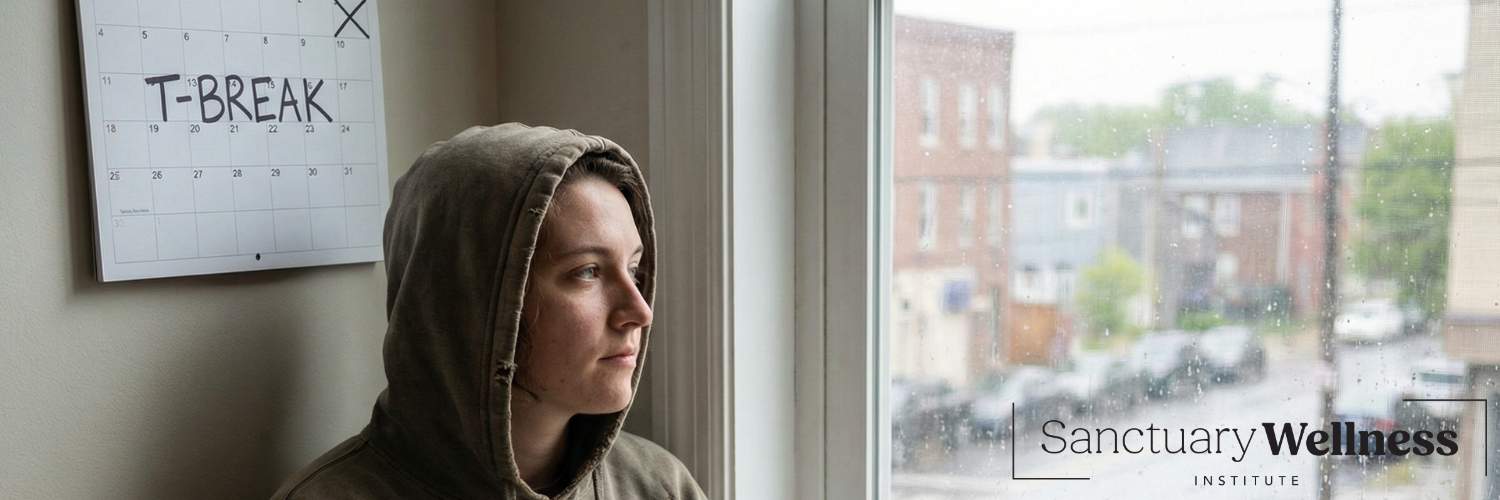
As medical marijuana use has become more common, many patients begin to notice changes in how their bodies respond over time. One topic that often comes up in patient conversations is the idea of a tolerance break. Understanding what a tolerance break is, why it may be considered, and how it fits into medical marijuana use can help patients make more informed decisions alongside their healthcare providers.
Key Takeaways
- Tolerance breaks are temporary pauses or reductions in cannabis use, not permanent stops.
- Tolerance develops differently for each patient and may not affect everyone.
- Benefits after a break are possible but not guaranteed, and tolerance can return.
- There is no standard length; decisions should be individualized with a provider.
Understanding Cannabis Tolerance
In general terms, tolerance refers to a reduced response to a substance after repeated exposure. With medical marijuana, tolerance may develop when the body becomes accustomed to regular exposure to cannabinoids such as THC.
Cannabinoids interact with the endocannabinoid system, a complex network of receptors involved in regulating processes like mood, pain perception, sleep, and appetite. Over time, frequent cannabis use may lead these receptors to respond differently, which can change how noticeable the effects feel. This does not happen the same way or at the same pace for everyone, and not all patients experience tolerance.
What Is a Tolerance Break?
A tolerance break, also known as a T-break, is a period of reduced or paused cannabis use intended to allow the body time to readjust its response to cannabinoids. In medical marijuana discussions, tolerance breaks are sometimes considered as part of a broader reassessment of treatment effectiveness.
It is important to note that a tolerance break does not necessarily mean stopping all care or abandoning a treatment plan. Instead, it is often discussed as a temporary adjustment that may help clarify whether cannabis is still meeting a patient’s needs or if changes should be considered.
Why Some Patients Consider a Tolerance Break
Patients may begin thinking about a tolerance break for several reasons. Some report that their medical marijuana feels less effective than it once did, even when using the same product or dose. Others may notice that they feel the need to increase their dose to achieve similar effects.
In some cases, side effects such as fatigue, brain fog, or changes in mood may become more noticeable over time. When these experiences arise, patients and providers may revisit the overall treatment approach, which can include discussing a tolerance break as one possible option.
What Happens in the Body During a Tolerance Break
During a tolerance break, the body has time with reduced exposure to cannabinoids. Research suggests that cannabinoid receptors may regain some sensitivity during this period, although the extent and timeline of these changes can vary.
Current scientific understanding of cannabis tolerance is still evolving. While some studies suggest that receptor activity can change after periods of non-use, there is no guaranteed or universal outcome. This uncertainty is one reason why tolerance breaks are approached cautiously and individualized rather than treated as a standard recommendation.
How Long Is a Typical Tolerance Break?
There is no single definition of how long a tolerance break should last. Duration can depend on several factors, including how frequently cannabis is used, the potency of products involved, and individual differences in metabolism and overall health.
Some discussions reference shorter breaks lasting days, while others involve longer periods of weeks. Because there is no established clinical guideline, timelines are typically determined on a case-by-case basis through patient-provider conversations rather than general rules.
Are Tolerance Breaks Appropriate for Everyone?
Tolerance breaks are not necessarily appropriate for every medical marijuana patient. Individuals using cannabis to manage ongoing symptoms may find that a pause in use leads to symptom recurrence or discomfort.
Mental health considerations are also important. For patients with anxiety, PTSD, or mood disorders, changes in cannabis use can sometimes affect emotional stability. This is why tolerance breaks are not framed as universally beneficial, but rather as one option that may or may not be suitable depending on individual circumstances.
Potential Benefits and Limitations
Some patients report that after a tolerance break, smaller amounts of cannabis feel more noticeable than before. Others find that a break helps them better evaluate whether medical marijuana is still playing a helpful role in their care.
At the same time, tolerance breaks have limitations. Not everyone experiences increased sensitivity afterward, and some patients notice little to no change. A tolerance break also does not “reset” the body in a permanent way, and tolerance can redevelop over time with resumed use.
Tolerance Breaks vs. Cannabis Dependence
Tolerance is often confused with dependence, but the two are not the same. Tolerance refers to changes in how the body responds to a substance, while dependence involves continued use despite negative consequences.
In clinical settings, providers may screen for signs of problematic cannabis use when patients report escalating doses or difficulty reducing use. A tolerance break may be part of that broader conversation, but it is not a diagnostic tool on its own.
How Sanctuary Wellness Institute Approaches Tolerance and Re-Evaluation
At The Sanctuary Wellness Institute, we frame discussions about tolerance within the context of individualized care and patient education. Rather than applying blanket recommendations, our doctors focus on understanding your symptoms, goals, and overall response to treatment.
Re-evaluation is considered a normal part of medical marijuana care, especially as symptoms, life circumstances, and health needs change over time.
Conclusion
In conclusion, tolerance breaks can be helpful for marijuana patients experiencing negative side effects. The important thing to remember is that you should discuss tolerance breaks with your medical marijuana doctor if they notice reduced effectiveness or increased side effects. Open conversations with your doctor allow for thoughtful adjustments rather than making sudden changes yourself that might not fully account for your specific health factors.
How we reviewed this article:
- Marco Colizzi, Sagnik Bhattacharyya (2018). Cannabis use and the development of tolerance: a systematic review of human evidence
https://pubmed.ncbi.nlm.nih.gov/30056176/ - J Hirvonen, et al. (2011). Reversible and regionally selective downregulation of brain cannabinoid CB1 receptors in chronic daily cannabis smokers
https://pmc.ncbi.nlm.nih.gov/articles/PMC3223558/ - Divya Ramesh, et al. (2011). Marijuana Dependence: Not Just Smoke and Mirrors
https://pmc.ncbi.nlm.nih.gov/articles/PMC3606907/
Current Version
January 14, 2026
Written By
John DiBella
Fact-checked By
Dr. Desiree Granados
Editorial Process
Our Editorial Process







John DiBella is the co-founder and CEO at The Sanctuary Wellness Institute. His goal is to foster healthier lifestyles to improve individuals’ quality of life and health span through online medical and non-medical services. When he’s not writing health & wellness articles for The Sanctuary, he enjoys hiking, camping, surfing and sailing.