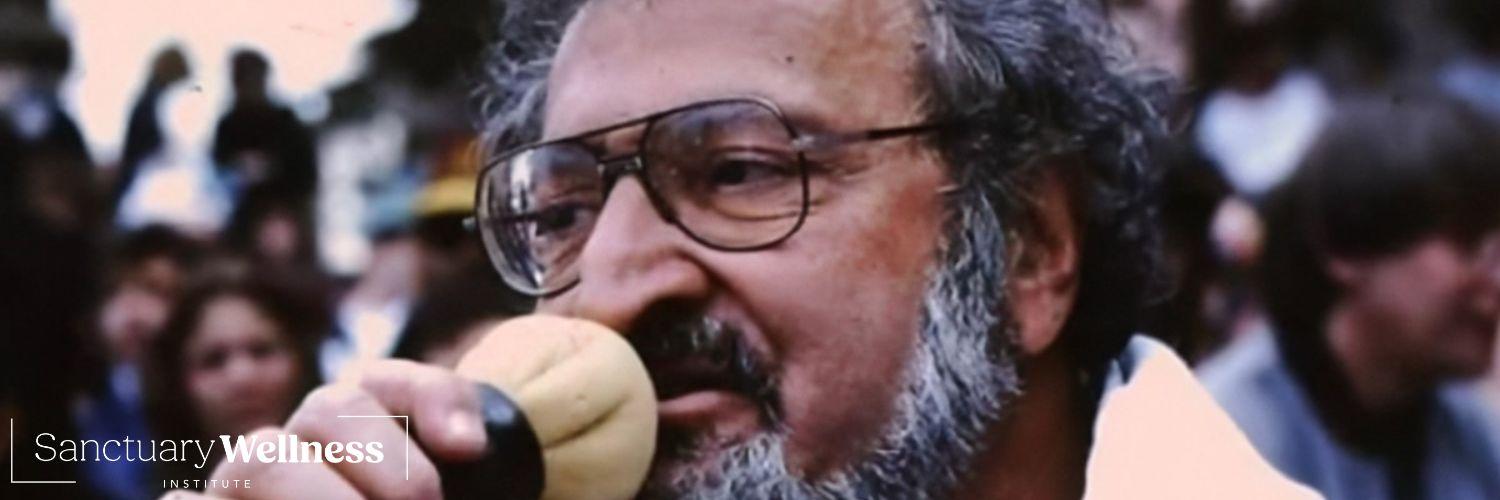
Few figures in the world of cannabis advocacy have left a mark as deep as Jack Herer. Known as the “Emperor of Hemp,” Herer was an outspoken activist, author, and the namesake of one of the most popular cannabis strains in the world. His tireless work to educate the public and challenge prohibition helped shape the modern movement toward marijuana legalization and hemp reform.
Early Life and Path to Activism
Jack Herer was born in 1939 in New York City and served in the U.S. Army during the Korean War era. For much of his early life, Herer held conservative political views and had little interest in cannabis. That all changed in the 1960s when he was introduced to marijuana and began learning about its therapeutic properties.
His perspective shifted radically. Herer became fascinated by cannabis—not only for its psychoactive effects but also for the untapped potential of the hemp plant. This curiosity grew into a passion for activism as he discovered how deeply cannabis had been misunderstood and misrepresented.
The Emperor Wears No Clothes
In 1985, Jack Herer self-published a groundbreaking book titled The Emperor Wears No Clothes. The book challenged government narratives about marijuana and presented compelling evidence of hemp’s industrial, environmental, and medicinal benefits. It argued that the prohibition of cannabis was rooted in corporate interests and misinformation.
The Emperor Wears No Clothes became known as the “hemp bible” and played a crucial role in awakening a new generation of activists. With extensive documentation, interviews, and historical references, the book made the case that cannabis prohibition was not only unjust but actively harmful to society.
Legacy in the Cannabis Movement
Jack Herer was more than an author—he was a relentless advocate for reform. He founded the organization Help End Marijuana Prohibition (HEMP) and campaigned vigorously across the United States. He ran for president twice as a protest candidate, using his campaigns to bring attention to cannabis laws.
Herer’s influence extended to the ballot box, particularly in California, where he helped spearhead early efforts to legalize medical and recreational marijuana. Though he passed away in 2010, his vision lives on in today’s cannabis industry and legalization landscape.