





What is BPC-157 & TB-500 Peptide Therapy?
BPC-157 and TB-500 peptide therapy involves the use of two peptides that influence tissue repair, inflammation response, and recovery processes in the body. These peptides act on pathways related to cell migration, blood vessel formation, and soft tissue healing.
Whether this type of therapy is appropriate for you depends on your symptoms, injury history, and goals. A clinician evaluates how these peptides may fit into a structured plan focused on recovery, mobility, and overall tissue support.
What is BPC-157
BPC-157 is a synthetic peptide believed to support tissue repair and recovery processes. It acts on pathways involved in cell signaling, blood flow, and inflammation, which can influence how the body responds to injury in areas such as tendons, ligaments, muscles, and the gastrointestinal tract.
Patients often consider BPC-157 when dealing with soft tissue injuries, persistent soreness, or recovery limitations. It is typically administered as a subcutaneous injection as part of a clinician-directed plan.
What is TB-500
TB-500 is a synthetic peptide derived from thymosin beta-4, a naturally occurring protein involved in tissue repair and cellular movement. It supports processes related to cell migration, regeneration, and inflammation control, which can play a role in recovery and mobility.
Patients often explore TB-500 when working to improve recovery from injury, support joint and muscle function, or maintain mobility. It is commonly used alongside other peptides and is administered through subcutaneous injection under clinical guidance.
What Is Peptide Therapy?
Peptide therapy uses targeted signaling molecules to influence specific biological processes such as hormone release, recovery, and metabolic function. These compounds bind to receptors and trigger defined responses within the body.
A clinician-guided approach ensures the therapy aligns with your physiology, current health status, and goals. This process helps determine whether peptide therapy is appropriate and how it should be used.
How BPC-157 & TB-500 Peptide Therapy is Used for Injury Recovery
BPC-157 and TB-500 are used to support tissue repair, inflammation regulation, and recovery following injury or repetitive strain. By influencing pathways involved in blood flow, cell migration, and soft tissue healing, they may help support recovery in areas such as tendons, ligaments, and muscles.
A clinician determines how these peptides are used based on your injury history, symptoms, and recovery goals. Treatment plans vary in dosing, frequency, and duration depending on the type of injury, severity, and your overall clinical profile.
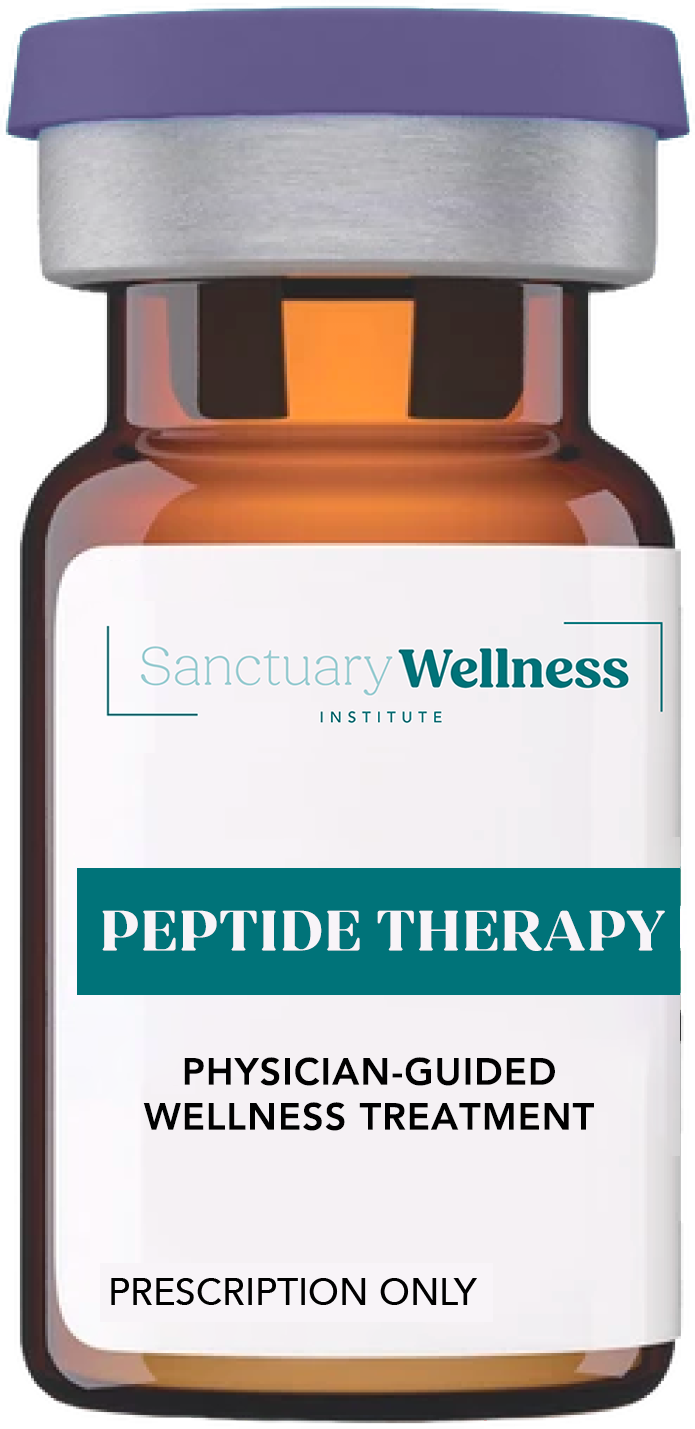
Peptides for Injury Recovery Support
BPC-157 and TB-500 influence pathways related to blood flow, cell migration, and soft tissue healing, which play a role in how the body repairs tendons, ligaments, and muscles.
Patients who experience slow healing, recurring injuries, or limitations in recovery may explore this type of therapy as part of a structured recovery plan.
Peptides for Mobility and Joint Support
BPC-157 and TB-500 may support tissue health by promoting repair and helping regulate inflammatory responses in affected areas.
Patients dealing with stiffness, reduced range of motion, or ongoing joint discomfort may consider whether this type of support fits into their recovery goals.
Peptides for Soft Tissue Maintenance
BPC-157 and TB-500 may support maintenance of soft tissue by influencing repair pathways and helping the body respond to repeated strain.
Patients who want to maintain activity levels, reduce downtime, or support long-term tissue health may explore this approach alongside a broader plan that includes training, recovery, and clinical guidance.
Clinical Context & Research Overview
Important: Peptide therapy for injury recovery should be discussed with a licensed clinician. Research regarding BPC-157 and TB-500 includes preclinical, experimental, and limited human-interest discussion, but evidence quality, clinical standards, and regulatory context can vary.
This page is educational. It does not guarantee outcomes, and it should not be interpreted as a promise that a specific peptide will heal, reverse, or cure an injury.
Patients should speak with their treating clinician about the current evidence, regulatory status, possible alternatives, and whether a treatment plan is appropriate for their medical history.
What Current Research Suggests
Research on BPC-157 has focused on its potential role in supporting tissue repair, angiogenesis, and recovery in areas such as tendons, ligaments, and the gastrointestinal tract. TB-500 has been studied for its relationship to cell migration, tissue regeneration, and healing processes that may support recovery after physical stress or injury.
Most available data comes from animal research, laboratory studies, or limited early-stage investigation, which describe how these peptides may affect healing pathways rather than long-term clinical outcomes in humans.
Limitations of Available Evidence
Research varies based on study design, dosing, and delivery method. Many studies examine isolated mechanisms rather than long-term patient outcomes.
Real-world results depend on factors such as adherence, overall health, and how these peptides are integrated into a broader treatment plan.
Why Physician Oversight Matters
A physician-led process helps review symptoms, prior injuries, medications, contraindications, and whether your goals align with an appropriate care plan. It also creates a clearer framework for discussing possible benefits, uncertainties, and follow-up.
That kind of medical context is especially important in areas where online information is inconsistent, oversimplified, or overly promotional.
How Telehealth Peptide Therapy Works
Availability varies by state and clinician licensure

Complete Our Online Intake Form
Fill out our short online intake form. Our doctor will review your information and determine if you're a good candidate for BPC-157 & TB-500 peptide therapy.

Meet with Our Doctor
Meet with our doctor to discuss the benefits of BPC-157 & TB-500 therapy, how it works, potential side effects, and what to expect during treatment.

Receive Your Medication at Home
After you submit payment to the pharmacy, your BPC-157 & TB-500 medications will be conveniently delivered to your home. You’ll receive detailed instructions on how to use it safely and effectively, along with ongoing support from our team to help you achieve the best results.

A telehealth consultation is intended to determine whether peptide therapy should be considered, whether other treatment paths may be more appropriate, and what safety or monitoring considerations should be reviewed before moving forward.
Meet Our Doctor
The Sanctuary Wellness Institute works with medical wellness physicians who provide telehealth consultations with a trust-focused, educational approach. Patients can learn more about clinician credentials, medical oversight, and care philosophy before booking.
Safety & Treatment Considerations
Topical skin-support products should always be discussed within a clinician-guided context. While some patients tolerate products well when appropriately selected, safety depends on skin sensitivity, product formulation, current routine, and clinical judgment.
- Individual Skin Profile: Suitability depends on your skin concerns, history, current products, allergies, and clinician evaluation.
- Potential Reactions: Some patients may experience irritation, dryness, redness, sensitivity, or other temporary skin reactions.
- Application Considerations: Product choice, frequency, layering, and use instructions should follow clinician guidance.
- Medication & Condition Review: Topical products may not be appropriate for patients with certain skin conditions, allergies, or concurrent treatments.
- Monitoring & Follow-Up: Ongoing evaluation, skin-response tracking, or additional review may be recommended depending on the patient and the care plan.
- Evidence & Product Limitations: Research, formulation quality, and real-world product claims can vary, so expectations should remain conservative and individualized.
This content is for educational purposes only and does not replace professional medical advice. Patients should consult a licensed healthcare provider to determine appropriate care.
Frequently Asked Questions
BPC-157 and TB-500 are typically administered as subcutaneous injections. This method allows for consistent absorption and is the standard approach used in clinician-guided treatment plans. Your doctor and dispensing pharmacy should provide detailed instructions on how to administer the medication, along with guidance on dosing, frequency, and safe handling.
Some patients may come across other formats such as oral capsules, nasal sprays, or topical products online. Be aware that these alternatives vary in absorption and reliability, and many have limited evidence supporting consistent systemic effects.
Response time varies. A consultation can help set realistic expectations based on your symptoms, health history, and the overall treatment strategy being considered.
Safety depends on the patient, the treatment plan, and careful medical review. Patients should discuss risks, contraindications, and alternatives with a licensed clinician.
Yes. If treatment is recommended, a clinician evaluation and valid prescription are required.
BPC-157 & TB-500 are not approved by the FDA as a drug for treating specific medical conditions, though they are commonly used in products designed for improved performance and sleep. In February 2026, the U.S. Secretary of Health and Human Services announced that several peptides may be removed from the FDA’s Category 2 compounding restriction list. If finalized by the FDA, this would allow licensed pharmacies to compound them again under a physician’s prescription.
BPC-157 & TB-500 are currently on the FDA’s compounding restriction list. Their use should involve appropriate professional guidance, even though some products containing these peptides are available over the counter.
Remember to be cautious when researching peptides online; information about their effectiveness and how to obtain them is often incomplete, misleading, or taken out of context. It’s important to consult a licensed physician who can evaluate your individual needs, explain the potential risks and benefits, and guide you in obtaining peptides safely through a reputable, licensed pharmacy.
Some patients may not be appropriate candidates based on active conditions, medication use, or other medical factors. Proper screening is important.
Some patients may need additional evaluation or labs depending on symptoms, history, and the clinician's judgment.
Related Resources
Explore more about The Sanctuary Wellness Institute and how to get a consultation with one of our qualified physicians:
- Visit The Sanctuary Wellness Institute homepage
- Contact the practice to discuss next steps
- Flynn P McGuire, et al. Current Reviews in Musculoskeletal Medicine. “Regeneration or Risk? A Narrative Review of BPC-157 for Musculoskeletal Healing.” 2025.
- Gabriel Sosne, et al. Clinical Ophthalmology. “Thymosin beta 4: A novel corneal wound healing and anti-inflammatory agent.” 2007
- The New York Times, Christina Jewett. “FDA Is Expected to Lift Restriction on Peptides, Heeding RFK Jr.’s Wishes.” March 2026.
- FDA.Gov. “Certain Bulk Drug Substances for Use in Compounding that May Present Significant Safety Risks.”
Let's Talk
Our mission is to provide easily accessible health and wellness services to help our patients live their best lives. Reach out to us to learn more about our services.