What is Testosterone Replacement Therapy (TRT)
Updated October 10, 2026
Testosterone Replacement Therapy (TRT) is a medically supervised form of hormone replacement therapy used to restore testosterone to a healthy range in men with clinically confirmed low testosterone (hypogonadism). When the body does not produce enough testosterone, it can affect physical vitality, mood, sexual function, and overall quality of life. Endocrine Society1
Purpose and Benefits of Testosterone Replacement Therapy (TRT)
The main goal of Testosterone Replacement Therapy is to relieve the symptoms of low testosterone, which can include persistent fatigue, reduced libido, difficulty concentrating, depressed mood, irritability, and loss of muscle tone or strength. By bringing testosterone back into an appropriate range, TRT aims to support both physical and emotional well-being so that daily life feels more manageable and satisfying. Harvard Health Publishing2
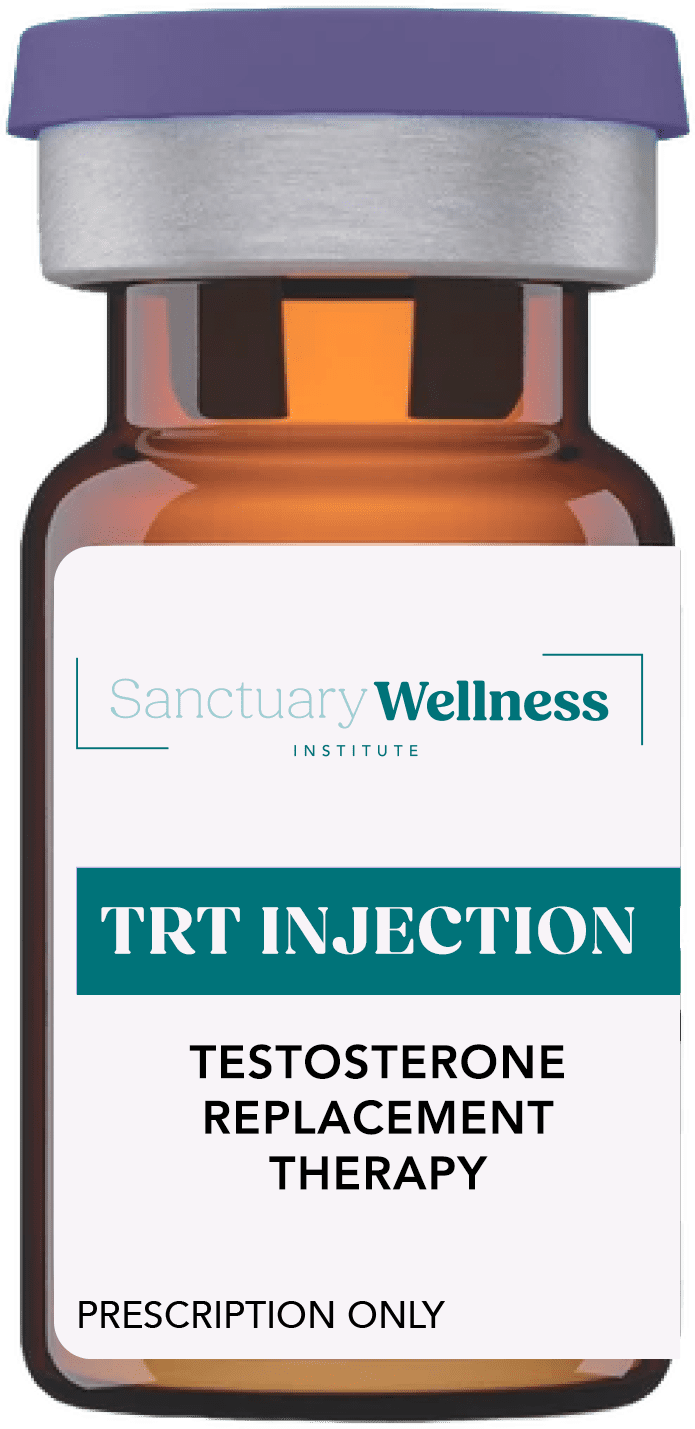
When testosterone levels are carefully restored and monitored by a qualified medical professional, many men report improved energy, better mood stability, enhanced sexual health, increased lean muscle mass, and overall improved vitality. Ongoing follow-up visits and lab testing help ensure that treatment remains safe, effective, and tailored to each person’s unique health profile.
The Role of Testosterone in Men’s Health
Testosterone is a key hormone that influences many aspects of male health. It helps drive the development of male sexual characteristics and plays an ongoing role in maintaining muscle mass, bone density, red blood cell production, sexual function, and aspects of mood and motivation. When levels fall below a healthy range, these systems may not function optimally, leading to a wide range of symptoms. MedlinePlus3
As men age, testosterone levels naturally decline. For some, this gradual decrease can be associated with reduced strength and stamina, increased fatigue, changes in mood or mental clarity, and diminished sexual interest or performance. A careful medical evaluation—including symptom review and blood testing—can help determine whether TRT or other treatment options may support long-term health, vitality, and quality of life.
Important Disclaimer
The information provided here is for educational purposes only and should not be considered medical advice. Testosterone Replacement Therapy (TRT) dosage and treatment must be personalized and supervised by a licensed healthcare professional.
Do not begin, change, or discontinue any hormone therapy without consulting your provider. For medical guidance specific to your health and hormone needs, please schedule an evaluation with a qualified practitioner.