
- Fact-checked by Dr. Desiree Granados

Quick Summary: Acid reflux symptoms can worsen during menopause due to hormonal fluctuations that relax the lower esophageal sphincter and slow digestion, and hormone replacement therapy (HRT) may help normalize digestive function and reduce reflux severity when tailored to individual hormonal profiles under medical supervision.
Menopause is a time of enormous change, not just for your reproductive system, but for nearly every function in your body. As estrogen levels decline, many women notice unexpected symptoms: hot flashes, mood swings, sleep issues… and sometimes, a burning sensation in the chest known as acid reflux.
If you’ve found that heartburn or indigestion has become more frequent or severe since menopause, you’re not imagining it. The connection between hormonal changes and digestive health is real, and understanding it can help you find relief, whether through lifestyle strategies, targeted nutrition, or hormone replacement therapy (HRT).
The Hormonal Connection: Why Menopause Triggers Acid Reflux
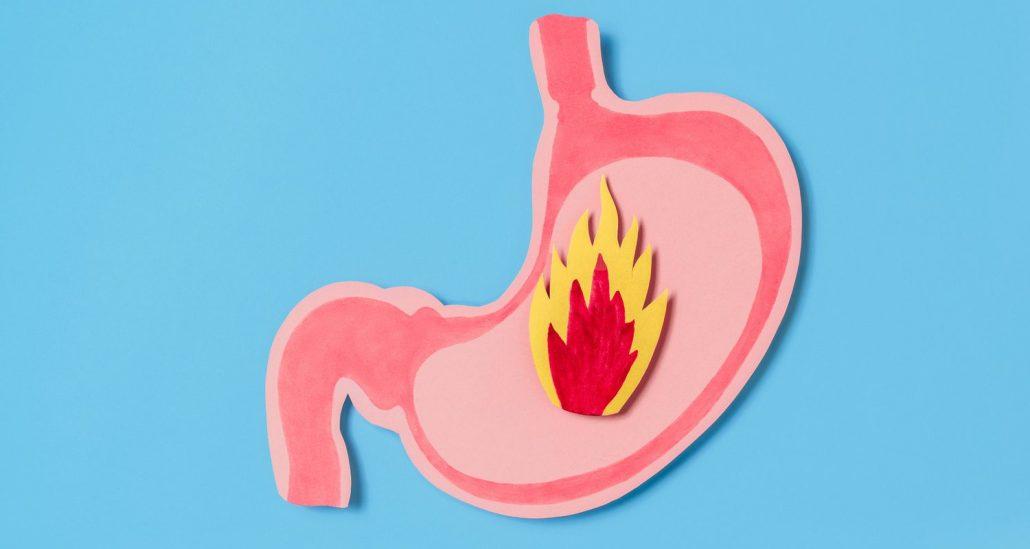
Acid reflux happens when stomach acid flows backward into the esophagus, irritating its lining. This is often caused by a weakened lower esophageal sphincter (LES), the valve that keeps acid where it belongs.
Before menopause, estrogen and progesterone help maintain muscle tone and motility in the digestive tract. When these hormone levels drop, several things can occur:
- The LES may relax more easily, allowing acid to escape upward.
- Digestive motility can slow down, leading to bloating and fullness.
- Stomach acid production may fluctuate, disrupting normal digestion.
Combine these changes with midlife stress, altered sleep, and dietary shifts, and reflux symptoms often flare.
Estrogen’s Role in Digestive Health
Estrogen is about much more than reproduction, it has a profound effect on the gastrointestinal system.
- Protects the digestive lining: Estrogen promotes the production of mucus that shields the stomach and esophagus from acid damage.
- Regulates muscle tone: It helps maintain proper movement in the digestive tract, ensuring food moves efficiently.
- Reduces inflammation: Estrogen has anti-inflammatory properties that calm irritation in the esophagus and stomach.
When estrogen levels fall during menopause, these protective effects weaken. Some studies suggest that low estrogen may make the esophagus more sensitive to acid, increasing the frequency and intensity of reflux episodes.
Can HRT Help with Acid Reflux?
Hormone replacement therapy (HRT) can help restore estrogen levels and relieve many menopausal symptoms – but when it comes to reflux, the results can vary.
For some women, HRT brings noticeable relief. By improving muscle tone, reducing inflammation, and supporting the mucosal barrier, balanced estrogen replacement may ease digestive discomfort.
However, not all types of HRT are the same.
- Oral estrogen can sometimes increase abdominal pressure and exacerbate reflux.
- Transdermal estrogen (patches, gels, creams) tends to have a gentler effect on digestion and may be better tolerated.
This is why it’s essential to work closely with a knowledgeable healthcare provider who can personalize your HRT plan. The right formulation, dose, and delivery method can make a major difference.
Managing Acid Reflux Naturally During Menopause
Even if you’re on HRT, lifestyle strategies remain the foundation of reflux management. The goal is to reduce triggers and strengthen digestive balance.
Nutrition Tips
- Avoid common reflux triggers such as spicy foods, caffeine, chocolate, citrus, and fried meals.
- Focus on gentle, nourishing options: oatmeal, bananas, lean proteins, and non-acidic vegetables.
- Eat smaller, more frequent meals and avoid lying down for at least two hours after eating.
Lifestyle & Stress Management
- Maintain a healthy weight – extra abdominal pressure can worsen reflux.
- Practice stress-reducing activities like yoga, meditation, or walking.
- Avoid tight clothing that puts pressure on your midsection.
Sleep Habits
- Elevate the head of your bed 6–8 inches to prevent nighttime reflux.
- Sleep on your left side – it positions the stomach below the esophagus, reducing acid backflow.
- Limit late-night snacking or alcohol before bedtime.
Integrating HRT with Other Management Strategies
For many women, the best results come from a combined approach: gentle hormone balancing alongside digestive support.
If you’re starting or adjusting HRT, keep a symptom journal. Track reflux episodes, meals, and hormone dosage changes. Patterns can reveal what’s helping or hindering your progress.
Your healthcare provider may also suggest complementary options like:
- Probiotics to restore gut microbiome balance.
- Digestive enzymes for improved breakdown of meals.
- Herbal support (like licorice root or slippery elm) to soothe the esophageal lining.
A collaborative plan, blending hormonal, nutritional, and lifestyle interventions, often brings lasting relief.
Conclusion
Acid reflux during menopause is more than a nuisance – it’s a signal from your body that hormones and digestion are shifting. The good news? Relief is within reach.
By understanding how estrogen affects the gut and how HRT can fit into a holistic plan, you can restore balance and comfort during this phase of life.
With the right combination of hormone support, mindful nutrition, and daily habits, managing acid reflux becomes not just possible, but empowering. Get in touch with The Sanctuary Wellness Institute to learn more about our HRT doctors and our women’s health and wellness services.
How we reviewed this article:
- Ryan D. Rosen, Ryan Winters (2023). Physiology, Lower Esophageal Sphincter
https://www.ncbi.nlm.nih.gov/books/NBK557452/ - Changmei Chen, et al. (2019). The roles of estrogen and estrogen receptors in gastrointestinal disease
https://pmc.ncbi.nlm.nih.gov/articles/PMC6865762/ - Davide Festi, et al. (2009). Body weight, lifestyle, dietary habits and gastroesophageal reflux disease
https://pmc.ncbi.nlm.nih.gov/articles/PMC2668774/ - Harvard Health (2024). Herbal remedies for heartburn
https://www.health.harvard.edu/diseases-and-conditions/herbal-remedies-for-heartburn
Current Version
November 10, 2024
Written By
John DiBella
Fact-checked By
Dr. Desiree Granados
Editorial Process
Our Editorial Process







John DiBella is the co-founder and CEO at The Sanctuary Wellness Institute. His goal is to foster healthier lifestyles to improve individuals’ quality of life and health span through online medical and non-medical services. When he’s not writing health & wellness articles for The Sanctuary, he enjoys hiking, camping, surfing and sailing.