
Medical Marijuana for Autism (ASD)
- Jake Peter
- Published: May 22, 2022
- Updated: September 30, 2026
- Fact-checked by Dr. Desiree Granados
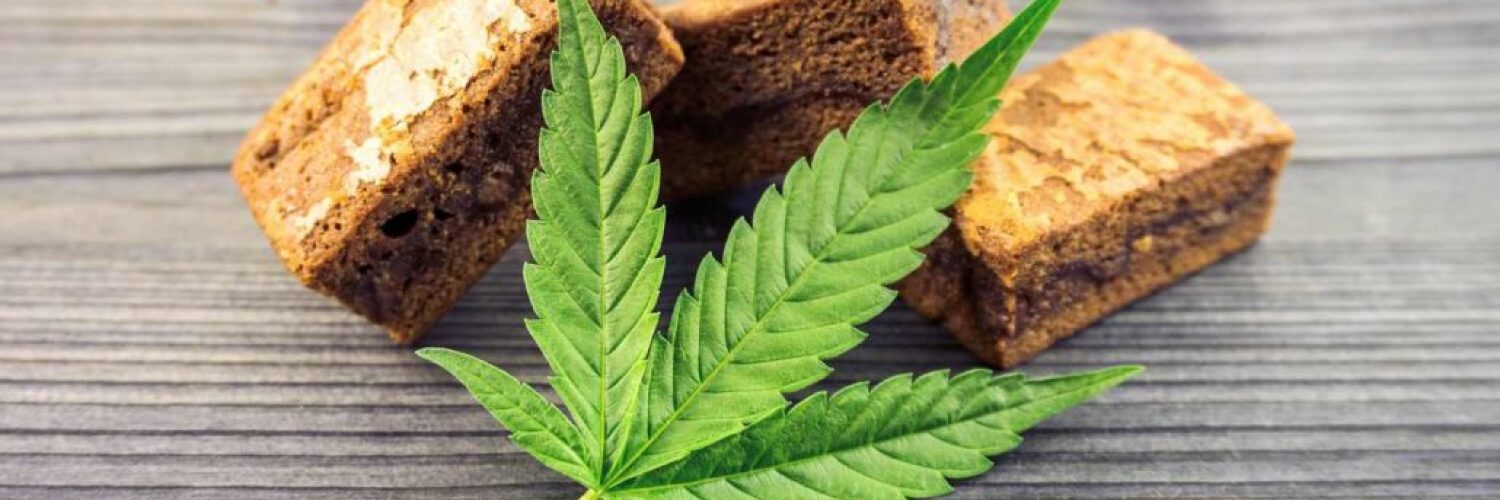
Quick Summary: Medical marijuana may help some people with autism spectrum disorder (ASD) manage symptoms such as anxiety, irritability, sleep difficulties, and restlessness. Autism qualifies for medical marijuana in several states, though requirements vary. Patients and caregivers should consult a medical marijuana doctor to determine whether cannabis is appropriate and which products may best suit their individual needs.
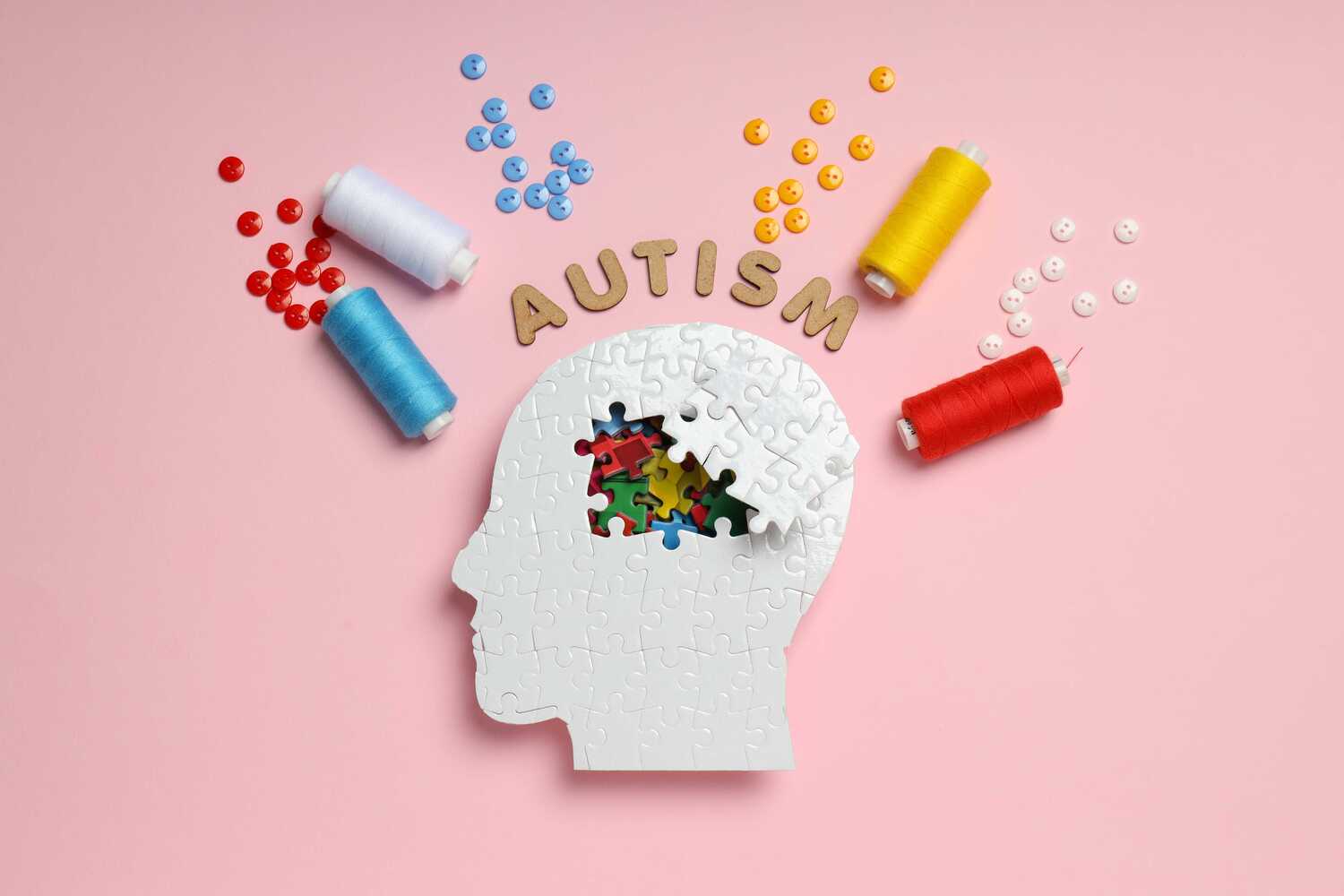
Autism spectrum disorder (ASD) can affect communication, social interaction, behavior, and sensory processing in different ways from person to person. As medical marijuana has become available in more states, some individuals with autism and their caregivers have explored cannabis as a potential way to manage certain symptoms associated with ASD. Below, we’ll examine what current research suggests about medical marijuana for autism, who may qualify for a medical marijuana card, and important factors to consider before using cannabis.
Can You Get a Medical Marijuana Card for Autism?
Yes, you can get a medical marijuana card for autism in most of the United States. Autism spectrum disorder is specifically recognized as a qualifying condition by nearly 20 states including Pennsylvania, Virginia, and Michigan.
Even if your state does not explicitly recognize autism as a qualifying condition, you may still qualify for a medical marijuana card to treat your symptoms. States like Florida and Ohio allow physicians to prescribe medical marijuana for anxiety, which is a common symptom among individuals with ASD. In other states like New York, Oklahoma, and Maine, physicians can prescribe cannabis for any condition they believe will help.
Requirements vary. For example, Georgia allows adults diagnosed with autism spectrum disorder to qualify, while patients younger than 18 must have severe autism. Iowa specifically recognizes severe, intractable autism with self-injurious or aggressive behaviors. Some states also give physicians broader discretion to recommend medical cannabis for chronic or debilitating conditions.
The Sanctuary Wellness Institute offers medical marijuana card services in several states and can help eligible patients understand their state’s application requirements.
Does Medical Marijuana Help Treat Autism?
Marijuana has been shown to help with certain symptoms associated with autism spectrum disorder (ASD), including anxiety, irritability, restlessness, sleep problems, aggression, and self-injurious behaviors. While research into cannabis for autism is still developing, existing studies suggest that cannabinoids such as THC and CBD may provide benefits for some individuals.
Cannabinoids interact with the endocannabinoid system (ECS), a network of receptors and signaling molecules involved in regulating processes such as mood, sleep, stress response, and neurological function. Researchers have explored whether influencing this system with cannabinoids could potentially help manage some of the behavioral and neurological symptoms associated with ASD.
A systematic review published in 2022, found that several studies reported improvements in symptoms such as anxiety, irritability, aggression, hyperactivity, sleep problems, restlessness, and self-injurious behavior. However, responses varied among patients, and researchers noted that additional clinical studies are needed to better understand the effects of cannabinoids on ASD.
More recent research has continued to identify potential benefits of cannabinoid-based treatments for certain ASD symptoms, although results differ among patients. Cannabis should therefore be viewed as a potential way to manage certain symptoms rather than a cure for autism.
How to Use Medical Marijuana for Autism
There is no single method of using medical marijuana that is appropriate for everyone with autism. Product selection can depend on the patient’s symptoms, age, medications, sensitivities, and previous experience with cannabis.
Common forms of medical marijuana include:
- Oils and tinctures: Allow relatively precise measurement of doses.
- Edibles: Provide an alternative to inhalation but generally take longer to produce effects.
- Capsules or tablets: Can provide consistent, measured doses.
- Vaporized products: Typically produce effects more quickly than oral products where permitted.
Patients can learn more about the differences between edibles vs. smoking and how to read a medical marijuana label.
The Sanctuary recommends consulting with a medical marijuana doctor before using cannabis for autism symptoms. A qualified physician can consider your symptoms, medical history, medications, and individual risk factors when discussing treatment options.
Conclusion
Medical marijuana may help some people with autism manage associated symptoms such as anxiety, agitation, sleep difficulties, and challenging behaviors. However, its effects can differ significantly from person to person.
If you or someone you care for has autism and you’re interested in medical marijuana, the Sanctuary Wellness Institute can help determine whether you qualify and guide you through the process of obtaining your medical marijuana card.
States Where We Offer Medical Marijuana Card Services
Frequently Asked Questions
- ACDC: A CBD-dominant strain with relatively low THC levels that may provide calming effects with less intoxication.
- Harlequin: Known for its relatively high CBD content, Harlequin may help promote relaxation and manage anxiety while producing milder psychoactive effects than many THC-dominant strains.
- Cannatonic: A CBD-rich strain commonly associated with relaxing effects that may appeal to patients looking to manage stress or anxiety.
- Charlotte’s Web: A high-CBD, very-low-THC cultivar that produces little to no intoxicating effect and may be preferable for patients particularly sensitive to THC.
- Granddaddy Purple: A THC-dominant strain known for relaxing and sedating effects that some patients use in the evening for sleep or relaxation. Because of its higher THC content, it may not be appropriate for everyone.
Cannabis can cause side effects such as dizziness, drowsiness, changes in attention, anxiety, and impaired coordination. THC’s psychoactive effects may be particularly relevant for individuals who experience sensory hypersensitivity and can lead to increased anxiety or stress.
Additional caution is appropriate for children and adolescents because their brains are still developing. Medical cannabis programs that permit minors generally have additional requirements involving parents, caregivers, and healthcare professionals.
Cannabis can also interact with certain medications. Patients and caregivers should consult a healthcare professional before using medical marijuana for autism and follow their doctor’s recommendations.
How we reviewed this article:
- Estácio Amaro da Silva Junior, et al. (2022). Cannabis and cannabinoid use in autism spectrum disorder: a systematic review https://pubmed.ncbi.nlm.nih.gov/34043900/
- Rosie Cope, Anna Remington (2022). The Strengths and Abilities of Autistic People in the Workplace https://pmc.ncbi.nlm.nih.gov/articles/PMC8992926/
Current Version
September 30, 2026
Updated By Nicholas DiBella
February 1, 2024
Updated By Jake Peter
Fact-checked By Dr. Desiree Granados
Editorial Process Our Editorial Process
First Published May 22, 2022
Written By Jake Peter
Fact-checked By Dr. Desiree Granados
Editorial Process Our Editorial Process
Other Posts About Medical Marijuana Treatment





Jake Peter received his journalism degree from Emerson College and has been writing content for the Sanctuary Wellness Institute since 2021. He is passionate about all things cannabis.