
Medical Marijuana for Interstitial Cystitis
- John DiBella
- Published: September 18, 2025
- Fact-checked by Dr. Desiree Granados

Quick Summary: Medical marijuana may help some individuals with interstitial cystitis manage pain and bladder discomfort via anti-inflammatory and analgesic pathways, though evidence is limited and treatment plans should be personalized in consultation with urology or pain specialists.
Interstitial Cystitis (IC), also known as painful bladder syndrome, is a chronic condition that causes bladder pain, pressure, and urinary frequency. It can significantly impact quality of life, and traditional treatments often don’t provide full relief. For individuals seeking alternative therapies, medical marijuana may offer a promising option for managing IC symptoms.
Does Marijuana Help With Interstitial Cystitis?
Research indicates that marijuana may help relieve symptoms of interstitial cystitis by addressing pain, inflammation, and muscle spasms. Cannabis interacts with the body’s endocannabinoid system (ECS), which plays a role in regulating pain, inflammation, and urinary function. Compounds like THC and CBD may reduce bladder pain and ease pelvic muscle tension, two major contributors to IC discomfort.
While specific studies on cannabis for IC are limited, broader research on cannabis for chronic pain, inflammation, and bladder conditions supports its potential benefits. Many patients and providers also report anecdotal success in managing bladder pain and urinary urgency with medical marijuana.
What Is Interstitial Cystitis and its Symptoms?
Interstitial cystitis is a chronic bladder condition characterized by recurring discomfort and urinary issues. The exact cause isn’t fully understood, but it may involve bladder lining defects, nerve hypersensitivity, or autoimmune responses.
Common symptoms include:
- Persistent bladder or pelvic pain
- A frequent urge to urinate
- Pressure or discomfort that worsens as the bladder fills
- Pain during sexual activity
- Burning sensation or tenderness in the bladder area
Symptoms vary from mild to severe, and flare-ups can greatly affect daily life. Conventional treatments include oral medications, bladder instillations, lifestyle changes, and physical therapy. Unfortunately, these don’t always provide adequate relief—making medical marijuana an appealing alternative.
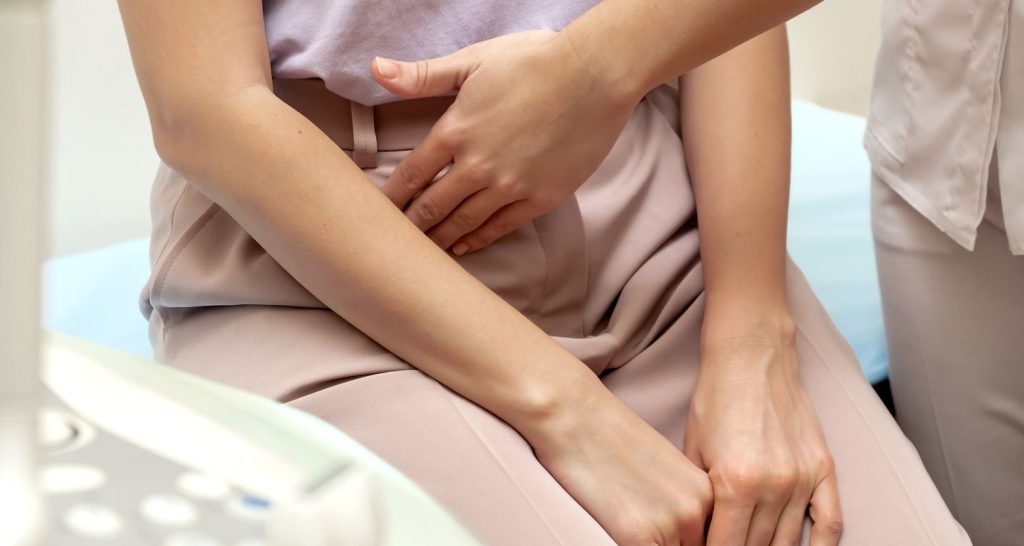
Can You Get a Medical Marijuana Card for Interstitial Cystitis?
Yes, in several states, such as Connecticut, Illinois, and North Dakota, interstitial cystitis is a qualifying condition for medical marijuana. While not every state lists IC specifically, it often falls under categories such as chronic pain, intractable pain, or debilitating conditions.
Some states explicitly recognize IC as a qualifying condition. If you’re unsure, consult with a medical marijuana doctor in your state. They can help determine eligibility and guide you through the application process.
For step-by-step assistance, visit our medical marijuana card page.
How to Use Marijuana for Interstitial Cystitis
There are several ways patients with IC may use marijuana for symptom relief. The right method often depends on personal preference and whether the main symptoms are pain, urinary urgency, or pelvic muscle spasms:
- Inhalation (Smoking/Vaping): Provides fast-acting relief from acute bladder pain.
- Edibles: Offer longer-lasting effects for chronic symptoms, though onset is slower.
- Tinctures/Oils: Allow precise dosing and flexible administration (sublingual or mixed with food/drink).
- Topicals: Creams or balms may ease pelvic muscle tension when applied externally.
Always consult a healthcare provider to find the best dose and form of cannabis for your condition.
What Are the Best Marijuana Strains for Interstitial Cystitis?
Certain cannabis strains may be particularly useful for IC due to their effects on pain, inflammation, and relaxation:
- Harlequin: A high-CBD strain that may reduce inflammation and calm nerve pain.
- Granddaddy Purple: Known for deep relaxation, which may ease pelvic muscle spasms.
- Blue Dream: Balances pain relief with mild euphoria, helpful for coping with chronic discomfort.
- OG Kush: A versatile strain for both pain relief and stress reduction.
Generally, indica strains or indica-dominant hybrids may be more effective for managing physical pain and spasms, while sativa or balanced hybrids can improve mood and energy.
What Are the Potential Risks and Side Effects of Using Cannabis for Interstitial Cystitis?
While many people tolerate medical marijuana well, side effects are possible, especially with higher doses. These may include:
- Dry mouth
- Drowsiness or fatigue
- Dizziness or lightheadedness
- Increased appetite
- Anxiety (in rare cases, particularly with high-THC strains)
To minimize risks, start with a low dose and follow your doctor’s recommendations.
Conclusion
Medical marijuana may be a valuable treatment option for individuals living with interstitial cystitis. By interacting with the endocannabinoid system, cannabis can potentially reduce bladder pain, inflammation, and muscle spasms, offering an alternative when standard treatments fall short.
If you’re considering medical marijuana for IC, the Sanctuary Wellness Institute can help you obtain a medical marijuana card. Schedule an appointment today to take the first step toward relief.
States Where We Offer Medical Marijuana Card Services
How we reviewed this article:
- Yizhe Lim, et al. (2024). Interstitial Cystitis/Bladder Pain Syndrome
https://www.ncbi.nlm.nih.gov/books/NBK570588/ - CDC (2024). About Interstitial Cystitis
https://www.cdc.gov/interstitial-cystitis/about/index.html - Lewafly (2025). Harlequin
https://www.leafly.com/strains/harlequin - Leafly (2025). Blue Dream
https://www.leafly.com/strains/blue-dream
Current Version
September 18, 2025
Written By
John DiBella
Fact-checked By
Dr. Desiree Granados
Editorial Process
Our Editorial Process
Other Posts About Medical Marijuana Treatment





John DiBella is the co-founder and CEO at The Sanctuary Wellness Institute. His goal is to foster healthier lifestyles to improve individuals’ quality of life and health span through online medical and non-medical services. When he’s not writing health & wellness articles for The Sanctuary, he enjoys hiking, camping, surfing and sailing.