
- Nicholas DiBella
- Published: October 16, 2025
- Fact-checked by Dr. Desiree Granados
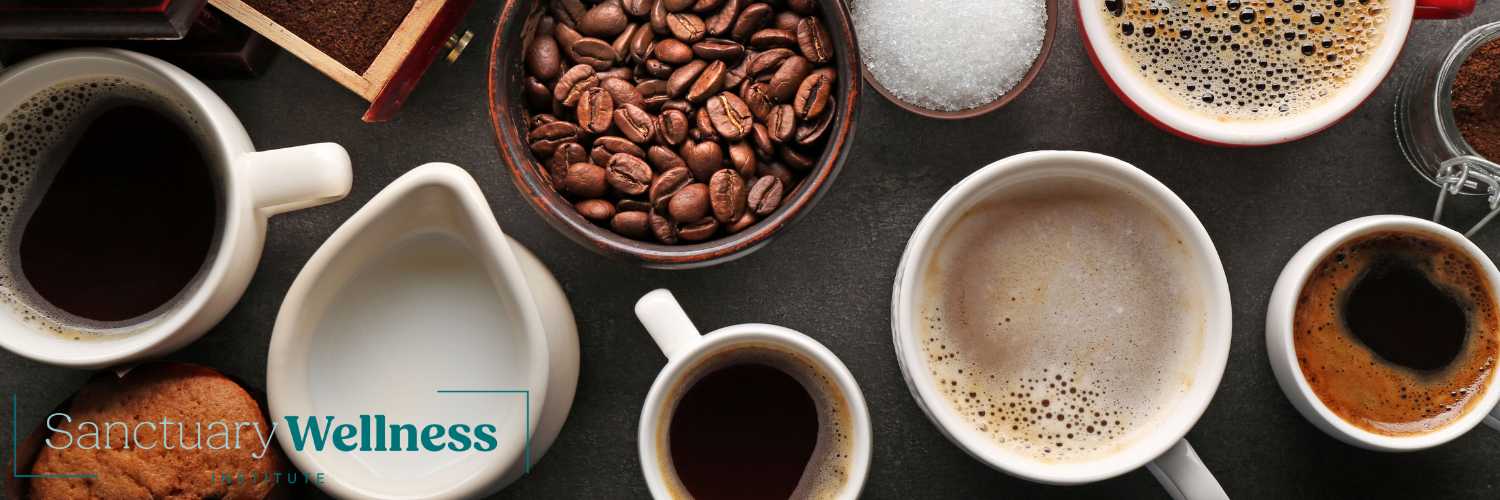
Quick Summary: Caffeine intake may temporarily increase circulating testosterone due to enhanced adrenaline and cortisol responses, but long-term effects on baseline testosterone levels are minimal. Individual responses vary based on genetics, training status, and overall diet.
Caffeine is one of the most widely consumed stimulants in the world, found in coffee, tea, chocolate, energy drinks, and pre-workout supplements. For most people, drinking a caffeinated beverage is a daily ritual that improves focus and boosts energy. But if you care about hormonal health, you may be wondering if there is a relationship between caffeine and testosterone. Can your morning coffee or pre-workout affect this key hormone?
Let’s break down what the science says about the association between caffeine intake and testosterone, looking at both potential benefits and drawbacks.
Understanding Testosterone & Caffeine
Testosterone is a steroid hormone involved in muscle development, libido, mood, and metabolism. Both men and women produce it, though men have higher levels.
Caffeine acts mainly as an adenosine receptor antagonist; it reduces fatigue, increases alertness, and can influence other hormones such as cortisol and adrenaline. Because testosterone production is sensitive to stress, sleep, and energy balance, researchers have examined how caffeine might influence it directly or indirectly.

The Association Between Caffeine Intake and Testosterone
Studies on the link between caffeine and testosterone show mixed but interesting results:
- Acute boost during exercise
A study published in 2024, found that consuming caffeine before resistance training significantly increased testosterone. This suggests caffeine may amplify the hormonal response to training. - Habitual intake and baseline testosterone
In a 2019 study, researchers found no linear association between overall caffeine intake and total testosterone levels. However, they did detect non-linear relationships, meaning that the effect of caffeine on testosterone might vary depending on dose, adiposity (body fat), and possibly ethnicity. - No major long-term change
Other studies on habitual coffee drinkers found no significant difference in total testosterone compared to non-drinkers.
In short: short-term caffeine can temporarily boost testosterone during training, but everyday coffee drinking doesn’t appear to dramatically raise or lower baseline levels.
Potential Hormonal Benefits of Caffeine
- Enhanced exercise performance
Caffeine improves focus and stamina, allowing more intense workouts — and exercise itself is a strong natural stimulator of testosterone. - Acute testosterone response
Pre-workout caffeine may increase the short-term rise in testosterone after strength training. Over time, this could support muscle growth and recovery. - Impact on SHBG
Some data suggest coffee consumption is linked to slightly lower SHBG, meaning more free (active) testosterone might be available in the bloodstream.
Potential Negative Effects of Caffeine on Testosterone
- Sleep disruption
Testosterone production is closely tied to sleep — especially deep sleep. Late caffeine intake can reduce sleep quality and duration, which over time may lower testosterone. - Increased cortisol
While caffeine can boost exercise-related testosterone, it also elevates cortisol, the stress hormone. Chronic high cortisol can suppress testosterone production if stress levels stay elevated. - High-dose risk
Extremely high daily caffeine intake (>400–500 mg for many people) may lead to anxiety, poor recovery, and hormonal imbalance.
Practical Guidance
- Moderate your intake: 200–400 mg/day is considered safe for most adults. That’s about 2–4 cups of coffee.
- Time it wisely: Avoid caffeine within 6–8 hours of bedtime to protect sleep and testosterone.
- Use strategically for training: A moderate pre-workout dose (3–6 mg per kg body weight) may give a beneficial testosterone boost during exercise.
- Pay attention to your body: If caffeine causes jitters, sleep issues, or fatigue crashes, it could indirectly hurt hormonal health.
Conclusion
The link between caffeine intake and testosterone isn’t straightforward. Evidence suggests moderate caffeine can temporarily raise testosterone during exercise and may slightly affect free testosterone levels, but it’s not a major long-term booster. On the flip side, excessive caffeine can work against healthy testosterone production, especially if it hurts your sleep or raises stress.
For most people, caffeine in moderation can be part of a lifestyle that supports hormonal balance, especially if combined with good sleep, nutrition, and recovery.
Frequently Asked Questions
Does Caffeine Boost Testosterone?
Caffeine may cause a small, temporary rise in testosterone, especially when taken before exercise. But it doesn’t lead to lasting increases in overall testosterone levels.
Does Caffeine Lower Testosterone?
Moderate caffeine use doesn’t lower testosterone. Problems mainly come from very high intake that disrupts sleep or raises stress hormones, which can reduce testosterone over time.
Should I Drink Coffee if I Have Low-T?
Drinking coffee in moderation is generally fine. Just avoid excessive amounts and don’t drink it late in the day so your sleep (and hormone production) aren’t affected.
How we reviewed this article:
- George N. Nassar, Stephen W. Leslie (2023). Physiology, Testosterone
https://www.ncbi.nlm.nih.gov/books/NBK526128/ - Justin Evans, John R. Richards, Amanda S. Battisti (2024). Caffeine
https://www.ncbi.nlm.nih.gov/books/NBK519490/ - Melda Gür, et al. (2024). Determining the Levels of Cortisol, Testosterone, Lactic Acid and Anaerobic Performance in Athletes Using Various Forms of Coffee
https://pmc.ncbi.nlm.nih.gov/articles/PMC11478079/ - David S Lopez, et al. (2019). Caffeine intake is not associated with serum testosterone levels in adult men: cross-sectional findings from the NHANES 1999-2004 and 2011-2012
https://pubmed.ncbi.nlm.nih.gov/29692226/ - Jay R Hoffman, et al. (2008). Effect of a pre-exercise energy supplement on the acute hormonal response to resistance exercise
https://pubmed.ncbi.nlm.nih.gov/18438227/ - FDA (2024). Spilling the Beans: How Much Caffeine is Too Much?
https://www.fda.gov/consumers/consumer-updates/spilling-beans-how-much-caffeine-too-much
Current Version
October 16, 2025
Written By
Nicholas DiBella
Fact-checked By
Dr. Desiree Granados
Editorial Process
Our Editorial Process





Nicholas DiBella received his psychology degree from West Chester University of Pennsylvania and has been writing content for the Sanctuary Wellness Institute since 2023. He is passionate about all things health & wellness.